Infor SyteLine Data For E-Invoicing
How Infor SyteLine Supports Invoicing
- Production Validation: Production orders establish manufacturing references before invoice information is assembled from completed customer transactions.
- Order Verification: Customer orders provide product, quantity, pricing, and fulfillment details for structured electronic invoice preparation.
- Inventory Matching: Inventory validation confirms billed materials against relevant stock and transaction records within Infor SyteLine workflows.
- Procurement Review: Procurement references clarify supplier-related transactions when purchasing information supports broader financial document reconciliation activities.
- Project Billing: Project transactions connect billable work with associated customer and financial information for invoice processing.
- Financial Alignment: Financial validation aligns operational records with accounting information before electronic invoice documents are finalized.
Infor SyteLine Manufacturing Data Integration
Infor SyteLine connects production, customer orders, inventory, procurement, projects, service, and financial activity across manufacturing operations and multi-site environments.
- Production orders establish manufacturing invoice context
- Customer orders connect demand with billing
- Inventory records validate material transaction details
- Financial data supports accounting processes
Why Infor SyteLine Users Trust Advintek
- Manufacturing Compliance Alignment: Infor SyteLine transaction data can enter structured Czech Republic e-invoicing workflows with relevant manufacturing context.
- Connected Production Processing: Production and customer order information can support invoice preparation without separating operational records from billing activity.
- Reduced Reconciliation Effort: Source-linked information reduces repetitive comparison between manufacturing transactions and resulting e-invoice documents.
- Multi-Site Invoice Visibility: Connected workflows provide greater visibility across manufacturing sites, warehouses, and related financial operations.
- Consistent Document Processing: Standardized processing helps maintain consistent invoice treatment across customer, production, inventory, and financial transactions.
- Improved Data Accuracy: Validated source information helps reduce discrepancies between Infor SyteLine operational records and electronic invoice data.
Infor SyteLine Invoice Intelligence Insights
Production Billing Patterns
Production billing patterns reveal invoice activity across manufacturing orders, customers, and completed operational transactions.
Inventory Variance Trends
Inventory variance trends highlight differences between material movements and associated customer billing records consistently.
Order Conversion Analysis
Order conversion analysis identifies billing patterns across customer demand, fulfillment, and production activity levels.
Czech E-Invoicing Across Infor SyteLine Operations
Czech electronic invoicing can connect SyteLine information spanning production, customer orders, inventory, procurement, projects, service, and financial operations.
- Production details support completed-order invoice verification
- Customer orders strengthen transaction-level document context
- Inventory information confirms billed material references
- Project records support billable activity reconciliation
Keep Infor SyteLine Ready for Czech Republic
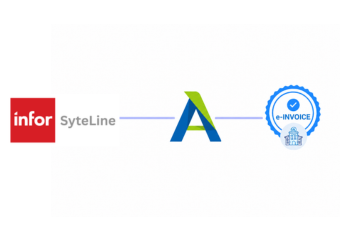
Connect Infor SyteLine manufacturing data with Czech Republic e-invoicing through Advintek.
Coordinate structured invoice processing across connected operations.
Ready e-Invoice System
FAQs Infor SyteLine and Czech Republic E-Invoicing
Which Infor SyteLine ERP data can support Czech Republic e-invoicing?
Infor SyteLine provides connected information across customer orders, production, inventory, procurement, projects, service, and financial management. Relevant records can supply transaction context for electronic invoice preparation. Advintek can connect appropriate Infor SyteLine data with the Czech Republic e-invoicing workflow, helping preserve relationships between operational transactions, invoice documents, and subsequent reconciliation activities.
How does Infor SyteLine production data contribute to e-invoice processing?
Production orders and related manufacturing information can provide important context when customer transactions originate from completed production activity. Connecting this information with invoicing allows relevant order, item, quantity, and fulfillment references to remain associated with invoice records. This creates a clearer relationship between manufacturing execution and resulting electronic documents.
Can customer orders and inventory records be linked for Infor SyteLine invoicing?
Customer orders can provide demand, product, quantity, and pricing information, while inventory records add material and stock context. Connecting these data areas allows invoice preparation to reference both the commercial transaction and relevant inventory information. Advintek can use applicable SyteLine records to support structured validation before electronic documents are processed.
How can multi-site Infor SyteLine operations support Czech Republic invoice workflows?
Infor SyteLine supports multi-site environments where operational and financial information can be managed across different locations. Connecting these records with Czech Republic e-invoicing can provide location-specific context for transactions while supporting centralized invoice processing. This is particularly relevant for manufacturers operating several plants, warehouses, or financial entities within connected SyteLine environments.
What does Advintek add to Infor SyteLine Czech Republic e-invoicing?
Advintek can connect relevant Infor SyteLine ERP information with a structured Czech Republic e-invoicing process. Rather than treating invoices as isolated financial documents, the workflow can incorporate production, customer orders, inventory, procurement, projects, and accounting references. This supports invoice preparation, validation, processing visibility, document tracking, and reconciliation across manufacturing operations.